Elevate Your Space: Infusing Spiritual Serenity with Mandala Designs
In today's fast-paced world, creating a sanctuary within your home has become more important than ever. The spaces we inhabit directly influence our mental well-being, emotional stability, and spiritual growth. One of the most effective ways to transform your environment into a haven of peace and tranquility is through the incorporation of mandala designs. These ancient geometric patterns, rich with spiritual significance, offer far more than aesthetic appeal. They serve as powerful tools for meditation, mindfulness, and creating an atmosphere that nurtures the soul. At ImogenLawson, we understand the transformative power of mandala designs and are committed to helping you infuse your space with spiritual serenity.
Understanding Mandalas: Ancient Wisdom Meets Modern Living
Mandalas have captivated human consciousness for thousands of years, originating from Sanskrit, where the word literally means "circle" or "complete whole." These intricate geometric patterns represent the universe, wholeness, and the interconnectedness of all things. Far from being merely decorative elements, mandalas are profound spiritual symbols that have been used in Hindu, Buddhist, and other spiritual traditions as tools for meditation and self-discovery.
The Historical Significance of Mandala Art
The history of mandalas stretches back to ancient civilizations, with evidence of mandala-like patterns appearing in various cultures across the globe. In Hindu tradition, mandalas were created as part of religious rituals and served as visual representations of the cosmos. Buddhist monks meticulously crafted sand mandalas as spiritual practices, spending weeks creating intricate designs only to ceremoniously sweep them away, symbolizing the impermanence of life and the release of attachment.
The mandala's journey through history reveals its universal appeal and profound spiritual significance. Whether in the form of intricate paintings, architectural designs, or sacred geometry, mandalas have consistently served as bridges between the material and spiritual worlds. This timeless quality makes them particularly relevant in our contemporary search for meaning and balance.
The Spiritual Meaning Behind Mandala Patterns
Each element within a mandala carries specific spiritual significance. The center point, often called the bindu, represents the source of all creation and the divine spark within each individual. The concentric circles radiating outward symbolize the expansion of consciousness and the journey from the inner self to the outer universe. The geometric patterns, whether triangles, squares, or more complex shapes, each hold their own symbolic meaning, contributing to the overall spiritual message of the mandala.
When you incorporate mandalas into your living space, you're not simply adding decorative elements. You're inviting ancient wisdom and spiritual energy into your environment. The visual complexity of mandalas naturally draws the eye inward, encouraging a meditative state and promoting mental clarity. This is why many people find themselves naturally drawn to mandala designs when seeking to create more peaceful, spiritually aligned spaces.
The Psychology of Mandalas: Why They Promote Serenity
The relationship between mandalas and human psychology is fascinating and well-documented. Psychologist Carl Jung was deeply interested in mandalas and recognized their therapeutic potential. He believed that mandalas represented the self and that engaging with them could facilitate psychological integration and healing.
How Mandalas Affect the Brain
When we view mandala designs, our brains respond in measurable ways. The symmetrical, repetitive patterns naturally calm the nervous system and reduce stress. The circular nature of mandalas encourages the brain to process information in a holistic manner, promoting a sense of wholeness and balance. This is why mandala coloring books have become increasingly popular as therapeutic tools for anxiety and stress management.
The intricate patterns of mandalas engage both hemispheres of the brain. The left hemisphere, responsible for analytical thinking, processes the geometric patterns and mathematical precision, while the right hemisphere, associated with creativity and intuition, responds to the overall aesthetic and spiritual essence. This bilateral engagement creates a state of coherence and harmony within the mind.
The Meditative Power of Mandala Gazing
Mandala gazing, or trataka, is an ancient meditation technique that involves focusing your gaze on a mandala design. This practice has been used for centuries to enhance concentration, develop intuition, and facilitate spiritual awakening. When you gaze at a mandala, your mind naturally becomes absorbed in the patterns, allowing everyday thoughts and worries to fade into the background.
The practice of mandala meditation can significantly reduce anxiety, lower blood pressure, and promote emotional stability. By incorporating mandala designs into your living space, you create opportunities for spontaneous moments of meditation throughout your day. A mandala hanging on your wall becomes a gentle invitation to pause, breathe, and reconnect with your inner peace.
Choosing the Right Mandala Design for Your Space
With countless mandala designs available, selecting the right ones for your space requires thoughtful consideration. Different mandalas carry different energies and serve different purposes, so understanding your intentions and preferences is crucial.
Identifying Your Spiritual Intentions
Before selecting mandala designs, take time to reflect on what you hope to achieve in your space. Are you seeking to enhance creativity and inspiration? Perhaps you're looking to promote healing and emotional balance? Or maybe you want to deepen your spiritual practice and meditation? Different mandala designs align with different intentions.
Mandalas associated with the root chakra feature red and earth tones and promote grounding and stability. Heart chakra mandalas, typically in green and pink hues, encourage love, compassion, and emotional healing. Crown chakra mandalas, often in purple and white, facilitate spiritual connection and higher consciousness. By understanding the chakra system and the colors associated with each energy center, you can select mandalas that specifically support your spiritual goals.
Color Psychology in Mandala Selection
The colors within a mandala design significantly influence its energetic properties. Red and orange mandalas stimulate energy, passion, and vitality. Yellow and gold mandalas promote mental clarity, optimism, and intellectual growth. Green mandalas encourage healing, growth, and harmony with nature. Blue mandalas facilitate communication, truth, and spiritual awareness. Purple and indigo mandalas enhance intuition, spiritual insight, and connection to higher consciousness.
When selecting mandala designs for your space, consider the existing color palette of your room and the energetic qualities you wish to enhance. A bedroom might benefit from calming blue or purple mandalas, while a creative workspace could be energized by orange or yellow designs. The key is to choose colors that resonate with you personally and align with the purpose of the space.
Size and Placement Considerations
The size of your mandala designs should be proportional to your space and the visual impact you desire. A large mandala can serve as a focal point and anchor the energy of an entire room, while smaller designs can be grouped together to create a gallery wall effect. Consider the wall space available and the viewing distance from which you'll typically observe the mandala.
Placement is equally important. Mandalas positioned in the center of a wall create a sense of balance and harmony. Placing a mandala in the bedroom above the bed can promote peaceful sleep and spiritual dreams. In a meditation space or yoga room, a mandala positioned at eye level when seated encourages focused practice. In living areas, mandalas can be placed to create visual interest and serve as conversation starters while subtly elevating the spiritual energy of the space.
Incorporating Mandalas into Different Rooms
Each room in your home serves a different purpose and requires a different approach to mandala integration. Understanding how to adapt mandala designs to various spaces ensures maximum benefit and aesthetic harmony.
Bedroom Sanctuaries
The bedroom is your personal sanctuary, a space dedicated to rest, rejuvenation, and intimate connection. Mandala designs in the bedroom should promote relaxation, peaceful sleep, and spiritual dreams. Soft, cool-toned mandalas in blues, purples, and silvers create a calming atmosphere conducive to deep rest.
Consider placing a mandala above your bed as a focal point that encourages restful sleep and positive dreams. Alternatively, mandala designs on bedding, such as duvet covers or throw pillows, can infuse your sleeping space with spiritual energy without overwhelming the room. For those who practice meditation or yoga before bed, a mandala positioned at eye level when seated on the bed creates a perfect focal point for evening spiritual practice.
Mandala wall tapestries in the bedroom can also serve as beautiful room dividers or create a focal point behind the bed. The flowing, organic nature of mandala designs complements bedroom aesthetics while promoting the tranquility essential for restorative sleep.
Living Room Harmony
The living room is often the heart of the home, a space where family and friends gather. Incorporating mandalas into this shared space creates an environment that promotes harmony, connection, and positive energy for all who enter.
A large mandala artwork can serve as a stunning focal point above the sofa or fireplace, immediately elevating the aesthetic and spiritual energy of the room. Mandala throw pillows on seating areas invite relaxation and contemplation. A mandala rug can anchor the living room furniture arrangement while adding visual interest and spiritual significance to the space.
For those who enjoy entertaining, mandala designs create a sophisticated backdrop that sparks interesting conversations about spirituality and personal growth. Guests often find themselves naturally drawn to mandala designs, creating opportunities for meaningful dialogue and connection.
Meditation and Yoga Spaces
If you have a dedicated meditation or yoga space, mandalas are essential elements that enhance your practice. A large mandala positioned at the front of your meditation space serves as a focal point for your practice, helping to anchor your attention and deepen your meditative state.
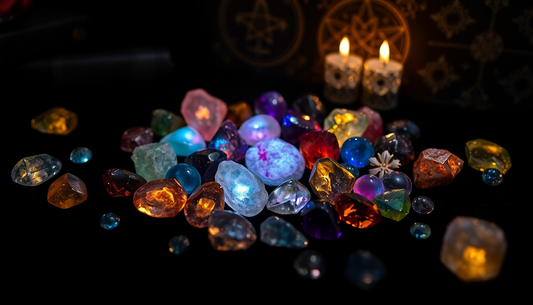
Consider creating a mandala altar or shrine in your meditation space. Combine mandala artwork with other spiritual elements such as crystals, incense, candles, and plants to create a multi-sensory spiritual environment. The mandala becomes the centerpiece of your sacred space, radiating spiritual energy and supporting your inner work.
For yoga practitioners, mandalas positioned at the front of the room provide a visual focus during practice. Many yoga teachers incorporate mandala gazing into their classes, using the designs to enhance concentration and facilitate deeper states of awareness.
Home Office and Creative Spaces
Mandalas in home offices and creative spaces promote focus, clarity, and inspired thinking. The geometric precision of mandala designs stimulates the analytical mind while the overall aesthetic encourages creative flow. Yellow and orange mandalas are particularly beneficial in these spaces, as they promote mental clarity, optimism, and creative inspiration.
Position a mandala at eye level on your desk or on the wall directly in your line of sight. When you need a mental break or feel stuck creatively, gazing at the mandala can refresh your mind and reignite your creative spark. Many writers, artists, and entrepreneurs find that mandala designs in their workspace enhance productivity and facilitate breakthrough thinking.
Bathroom Retreats
Often overlooked, bathrooms offer wonderful opportunities for mandala integration. A bathroom is a space of cleansing and renewal, making it ideal for mandala designs that promote healing and purification. Mandala shower curtains, bath mats, and wall art transform the bathroom into a spa-like retreat.
A mandala design in the bathroom serves as a reminder to practice self-care and mindfulness during daily routines. Many people find that starting and ending their day with a moment of mandala gazing in the bathroom sets a positive, centered tone for their day.
Mandala Design Styles and Artistic Expressions
Mandalas come in numerous styles and artistic expressions, each offering unique aesthetic and spiritual qualities. Understanding the different styles helps you select designs that resonate with your personal taste and spiritual preferences.
Traditional Mandala Art
Traditional mandalas, rooted in Hindu and Buddhist artistic traditions, feature intricate geometric patterns, often incorporating Sanskrit symbols and spiritual iconography. These designs are meticulously crafted, with every element serving a specific spiritual purpose. Traditional mandalas often feature rich, saturated colors and complex layering of patterns.
Choosing traditional mandala designs connects you directly to ancient spiritual wisdom and centuries of spiritual practice. These designs carry the accumulated spiritual energy of generations of practitioners and serve as powerful tools for deepening spiritual awareness.
Contemporary and Modern Interpretations
Modern mandala designs reinterpret traditional patterns through contemporary artistic lenses. These designs might incorporate abstract elements, asymmetrical patterns, or fusion of mandala principles with other artistic styles. Modern mandalas often appeal to those seeking spiritual meaning with a contemporary aesthetic.
Contemporary mandalas might feature minimalist designs with clean lines, watercolor interpretations with flowing colors, or digital art styles that create dynamic visual effects. These designs prove that mandala spirituality is not confined to traditional forms but can evolve and adapt to modern sensibilities.
Nature-Inspired Mandalas
Many contemporary mandala artists draw inspiration from nature, creating designs that incorporate flowers, leaves, animals, and natural elements within mandala frameworks. These nature-inspired mandalas celebrate the divine in creation and promote connection with the natural world.
Floral mandalas, featuring intricate flower patterns arranged in circular formations, bring the beauty and healing energy of nature into your space. Animal mandalas, incorporating symbolic creatures such as eagles, lions, or butterflies, combine mandala spirituality with animal wisdom and power.
Chakra-Specific Mandalas
Chakra mandalas are specifically designed to align with and balance the seven energy centers of the body. Each chakra mandala features colors, symbols, and patterns associated with its corresponding energy center. Incorporating chakra mandalas into your space supports energetic balance and healing.
A complete chakra mandala set can be displayed together to represent the full spectrum of human energy and consciousness. Alternatively, you might focus on mandalas associated with specific chakras that require attention or healing in your life.
Mandala Materials and Display Options
The medium through which you display mandalas significantly influences their aesthetic impact and energetic properties. Various materials and display options offer different benefits and suit different spaces and preferences.
Canvas and Framed Artwork
Canvas prints and framed mandala artwork offer classic, sophisticated display options. Canvas provides a textured surface that adds depth and dimension to mandala designs. Framed artwork offers protection and a finished, gallery-like appearance. These options work well in any room and suit both traditional and contemporary interior design styles.
High-quality canvas prints ensure that the intricate details of mandala designs are clearly visible and vibrant. Framing options range from simple, minimalist frames that let the mandala shine to ornate frames that complement traditional or eclectic decor styles.
Tapestries and Wall Hangings
Mandala tapestries offer versatile, affordable options for displaying mandala designs. These fabric hangings can be easily changed, repositioned, or removed, making them ideal for those who like to refresh their space regularly. Tapestries also add texture and warmth to rooms while creating a bohemian, spiritual aesthetic.
Mandala tapestries work particularly well in bedrooms, meditation spaces, and living rooms. They can be hung on walls, used as bed backdrops, or even draped over furniture to create cozy, spiritually aligned spaces.
Decals and Wall Stickers
For renters or those seeking non-permanent options, mandala wall decals and stickers offer convenient solutions. These removable designs can be applied to any smooth wall surface and removed without damage. While not as detailed as larger artwork, quality decals can still create beautiful focal points and infuse spaces with mandala energy.
Mandala decals work well in small spaces, children's rooms, or as accents in larger rooms. They're particularly useful for creating mandala gallery walls or adding mandala elements to existing decor.
Textiles and Home Furnishings
Mandalas incorporated into textiles such as throw pillows, blankets, rugs, and bedding offer functional ways to infuse your space with mandala energy. These soft furnishings add comfort and coziness while promoting spiritual serenity.
Mandala throw pillows can be easily swapped and rearranged to refresh your space seasonally. Mandala rugs anchor room arrangements while adding visual interest and spiritual significance. Mandala bedding transforms your bedroom into a sanctuary of peace and spiritual connection.
Three-Dimensional Mandala Decor
Beyond two-dimensional artwork, three-dimensional mandala decor options include wooden mandala wall hangings, metal mandala sculptures, and carved mandala designs. These pieces add depth and tactile interest to your space while creating dynamic visual effects as light plays across their surfaces.
Three-dimensional mandalas work particularly well in meditation spaces, yoga studios, and spiritual sanctuaries. They create a more immersive spiritual environment and often serve as powerful focal points that draw the eye and anchor the energy of a space.
Creating a Cohesive Mandala-Inspired Interior Design
Incorporating mandalas into your space doesn't mean your entire decor must be mandala-focused. Rather, thoughtful integration of mandala designs creates a cohesive, spiritually aligned environment that feels balanced and harmonious.
Color Coordination and Aesthetic Balance
When incorporating multiple mandala designs into your space, ensure that colors coordinate and create visual harmony. Selecting mandalas that share a common color palette creates unity and prevents the space from feeling chaotic or overwhelming. Consider the existing colors in your room and choose mandalas that complement or intentionally contrast with these hues.
A monochromatic approach, using mandalas in varying shades of a single color family, creates sophisticated, cohesive spaces. Alternatively, a complementary color scheme using mandalas in colors opposite each other on the color wheel creates dynamic visual interest while maintaining balance.
Layering Spiritual Elements
Mandalas work beautifully when layered with other spiritual and natural elements. Combine mandala artwork with plants, crystals, candles, and natural materials to create rich, multi-sensory spiritual environments. This layering approach prevents spaces from feeling one-dimensional while creating depth and complexity